Plan Your Kidney Transplant In India With Forerunners Healthcare Consultants
Besides monetary, organ donation is considered a bliss supreme as the needy gets a new lease of life. Kidney Transplant is a complicated procedure and the biggest factor is the donation being made legally. Forerunners Healthcare Consultants ensure a legal procedure under the best surgeons, at affordable rates. All you have to do is send us a query and we will take care of the rest.
What Is Kidney Transplantation?
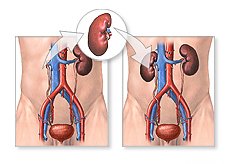
Kidney transplant is performed in patient with end-stage kidney disease. End-stage kidney failure is caused by diabetes, chronic Blood Pressure and Chronic Glomerulonephritis. Kidney transplantation is also known as Renal Transplantation. A kidney removes excess fluid and waste from your blood and when kidneys lose their filtering ability, dangerous levels of fluid and waste accumulates in your body — a condition known as kidney failure. A kidney transplant is remains the only option in such situations. Kidney transplants are one of the most common transplant operations. Only one donated kidney is needed to replace two failed kidneys.
Kidney Transplant Candidate Criteria
Kidney transplantation is the preferred treatment for most patients with end stage renal disease (ESRD), regardless of the cause of their kidney failure. Any individual with ESRD is a potential transplant candidate. You do not have to be on dialysis to be evaluated for or receive a transplant.
Kidney transplant candidates must have adequate heart-lung function and can't have other medical conditions that severely limit life expectancy. You'll work closely with the transplant team to increase the benefit of and reduce the risk of transplant. Since transplant requires a lifelong commitment to taking medication and to having regular physician contact, patients also must understand and be willing to accept this responsibility.
Who Is The Not A Candidate For Kidney Transplantation?
A kidney transplant may NOT be recommended if you have:
- ACertain infections, such as TB or osteomyelitis
- BDifficulty taking medications several times each day for the rest of your life
- CHeart, lung, or liver disease
- DOther life-threatening diseases
- EHistory of cancer
- FInfections such as hepatitis that are considered to be active
- GSmoking, alcohol or drug abuse, or other risky lifestyle habits
Who Are Donors For Kidney Transplantation?
Top Kidney Transplant Surgeon & Hospital in India make sure that all donors are carefully screened to make sure that there is a suitable match and to prevent any transmissible diseases or other complications :
- ALiving donors: Living donors are usually immediate family members or sometimes spouses.
- BDeceased/ Cadaveric donors: Deceased donor kidneys usually come from people who have willed their kidneys before their death by signing organ donor cards.
What Are The Preparation For Kidney Transplantation?

- AThe patient has to follow diet advised by the transplant team.
- BPatient should refrain from alcohol and smoking.
- CThe transplant team may recommend exercise program
- DTransplant team may recommend an exercise program to keep patient’s weight in check.
- ECertain medicines may be prescribed before the transplant.
Best Kidney Transplant Hospitals In India
The top hospitals for Kidney Transplant surgery in India are equipped with state of the art diagnostics to provide a wide range of treatments. Our best doctors for Kidney Transplant Surgeons in India will evaluate and discuss the findings to chart out the optimal plan of kidney transplant treatment for each patient based on established national and international guidelines and protocols. Our associated hospitals are located at Delhi, Chennai, Mumbai, Nagpur, Pune, Kochi, Jaipur, Chandigarh, Kochi, Goa, Bangalore, Noida, Gurgaon, Hyderabad, Ahmedabad, Kerala, etc.
Top 10 Hospital For Kidney Transplant In India
 Manipal Hospital (Old Airport Road), Bangalore
 Global Hospital, Mumbai
 Fortis Memorial Research Institute (FMRI), Gurgaon
 Fortis Hospital (Bannerghatta Road), Bangalore
 Artemis Hospital, Gurugram
 Saifee Hospital, Mumbai
 Medanta - The Medicity, Gurugram
 Max Super Speciality Hospital, Delhi
 Kokilaben Dhirubhai Ambani Hospital, Mumbai
 Jaslok Hospital, Mumbai
BLK Max Super Speciality Hospital, Delhi
Jaslok Hospital, Mumbai
BLK Max Super Speciality Hospital, Delhi
 Indraprastha Apollo Hospital, Delhi
Top 10 Kidney Transplant Surgeons In India
 Dr. Chibber Percy JalKidney Transplant — Jaslok Hospital, Mumbai
 Dr. A. S. BawaKidney Transplant — Fortis Hospital, Mohali
 Dr. Ajit VazeKidney Transplant — Lilavati Hospital and Research Centre, Mumbai
 Dr. Anil KhandkarKidney Transplant — Godrej Memorial Hospital, Mumbai
 Dr. Anup RamaniKidney Transplant — Saifee Hospital, Mumbai
 Dr. Mahendra JainKidney Transplant — Fortis Hospital, Bangalore
 Dr. Milind BapatKidney Transplant — Jupiter Hospital, Pune
 Dr. Murali VenkatramanKidney Transplant — Apollo Hospital, Chennai
 Dr. P B SivaramanKidney Transplant — Fortis Malar Hospital, Chennai
 Dr. Prakash ShettyKidney Transplant — Dr L H Hiranandani Hospital, Mumbai
What Are The Evaluation And Tests For Kidney Transplantation?
Once the patient is referred to the transplant centre, he will be thoroughly evaluated by a transplant team. Certain tests are advised before the kidney transplantation procedure:
- ATissue and blood typing
- BBlood tests
- CSkin tests
- DHeart tests such as an EKG, echocardiogram, etc.
How Is Kidney Transplantation Procedure Done?
People receiving a kidney transplant are given general anesthesia before surgery. The surgeon makes a cut in the lower abdomen area.
Surgeon places the new kidney inside the lower abdomen. The artery and vein of the new kidney are connected to the artery and vein in the pelvis. Ureter is then attached to the bladder. Patient’s own kidneys are left in place, unless they cause, high blood pressure, infections, or are too large for the body. The wound is then closed.
Kidney transplant surgery takes about 3 hours. People with diabetes may also have a pancreas transplant done at the same time which usually adds another 3 hours to the surgery.
What Are Types Of Kidney Transplantation Surgery?
One of the Benefits of Kidney Transplant Surgery in India is it offer many types of transplants. A nephrectomy is the surgical term for the removal of a kidney. A healthy kidney intended for donation is normally removed by one of the two procedures.
Laparoscopic Nephrectomy - A laparoscopic nephrectomy is performed under a general anaesthetic. Three or four small abdominal incisions are made in the abdomen to provide access for surgical instruments that are used to detach the kidney and to ligate the blood vessels. The intact kidney is enclosed in a bag and removed through an incision or it may be placed in an impermeable sack, morcellated and removed through one of the port sites. Laparoscopic Nephrectomy provides patients with a safe and effective way to remove a diseased or cancerous kidney. Laparoscopic nephrectomy is a minimally invasive technique, which provides patients with less discomfort and equivalent results when compared to the larger incision required with traditional open surgery.
Open Nephrectomy - In a traditional, open nephrectomy, the kidney donor is administered general anesthesia and a 6–10 in (15.2–25.4 cm) incision through several layers of muscle is made on the side or front of the abdomen. The blood vessels connecting the kidney to the donor are cut and clamped, and the ureter is also cut between the bladder and kidney and clamped. Depending on the type of nephrectomy procedure being performed, the ureter, adrenal gland, and/or surrounding tissue may also be cut. The kidney is removed and the vessels and ureter are then tied off and the incision is sutured (sewn up). The surgical procedure can take up to three hours, depending on the type of nephrectomy being performed.
What Follow Up Care To Be Taken Post Kidney Transplantation?
A successful kidney transplant requires close follow-up with your doctor and you must always take your medicine as directed. The period immediately following your transplant may be very stressful. Following are some of the important safety measures after your kidney transplantation surgery:
- ABefore leaving the hospital, patient will be given instructions about anti-rejection medication and its doses
- BPatient will be taught about measuring blood pressure, temperature, and urine output at home.
- CIn the first few weeks after leaving the hospital, the transplant team will review the patient, perform blood tests, and adjust medication doses.
- DYou must keep follow-up appointments with your transplant team to monitor for signs of rejection.
- EIn the follow up appointments, the transplant team will conduct regular blood and urine tests to detect any signs of organ failure. One or more ultrasounds of the graft kidney may be done to see if there are structural abnormalities suggesting rejection.
- FAn arteriogram or nuclear medicine scan may be needed to confirm that blood is flowing to the transplanted kidney.
What Is Kidney Transplantation Rejection?
Unfortunately, when the immune system sees a newly transplanted organ as a foreign object that could be harmful to you, it attempts to rid your body of it. This is called as rejection. The immune system may reject the transplanted kidney. For this reason, patient must stay aware of warning signs and symptoms of rejection. Hypertension, Swelling or puffiness usually in the arms, legs, or face, decreased urine output, fever, abdominal pain, etc. The patient must contact the transplant team immediately if any of these symptoms develop. The anti rejection drugs taken after surgery help prevent rejection. This is called immunosuppressive therapy. These drugs weaken the immune system to allow your body to accept the transplanted organ. If the patient is taking immunosuppressant drugs he is regularly screened for infection, high blood pressure, diabetes, cancer, etc.
What Are Advantages Of Kidney Transplantation?

The outcome of kidney transplants surgery continues to improve with advances in immune-suppressing medications. Following are some of the advantages;
- Freedom from dialysis and freedom from the time commitment that it requires
- Increased energy
- No longer seeing themselves as chronically ill
- 3-year graft survival rate after transplantation is almost 80%.
- The earlier you can detect rejection, the better the chance it can be reversed and the new kidney's function preserved
- Those who undergo Kidney transplant enjoy better quality of life after the procedure
- Those who receive a kidney from a living related donor do better than those who receive a kidney from a deceased donor
What Are Disadvantages Of Kidney Transplantation?
Problems breathing, Reactions to medications, wound infection, etc. are some of the disadvantages and side-effects associated with kidney transplantation.
Why Prefer India For Kidney Transplantation?
Kidney Transplantation in India is performed through cutting - edge clinical solutions, research, extraordinary patient care and infrastructure of world-class standards. This has addressed concerns of many patients and has helped them get rid of complex and most end stage kidney diseases. Kidney transplant is a complex surgical exercise and need highly skilled consultants, ingenious technical staff and advanced technology working with perfect harmony, enormous dedication and team work. India offers a one stop solution for all those seeking critical procedures such as kidney transplantation providing the best kidney transplant hospitals in world with kidney transplant specialists .

Cities in India that offers Kidney Transplantation surgery at some of the best hospitals are as follows;
| Mumbai | Hyderabad | Kerala |
|---|---|---|
| Delhi | Pune | Goa |
| Bangalore | Nagpur | Jaipur |
| Chennai | Gurgaon | Chandigarh |


 United States
 United Kingdom
 Canada
 Australia
 New Zealand
 Nigeria
 Kenya
Kenya Ethiopia
 Uganda
 Tanzania
 Zambia
 Congo
Congo Sri Lanka
 Bangladesh
 France
 Afghanistan
 Nepal
Nepal Uzbekistan