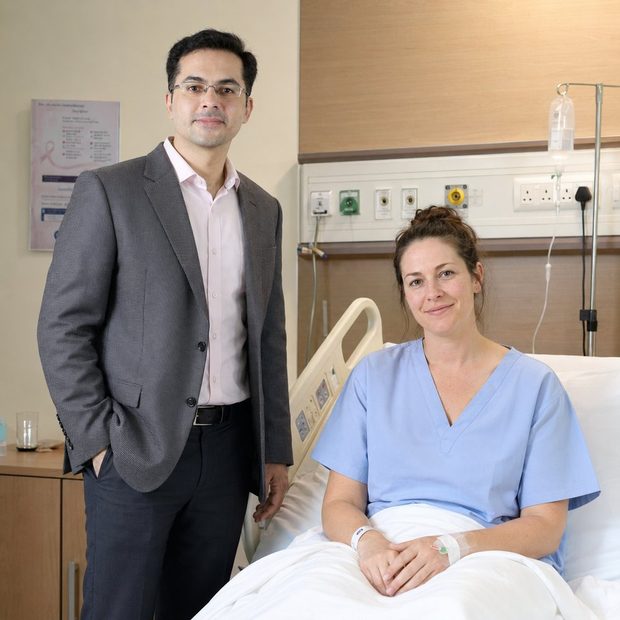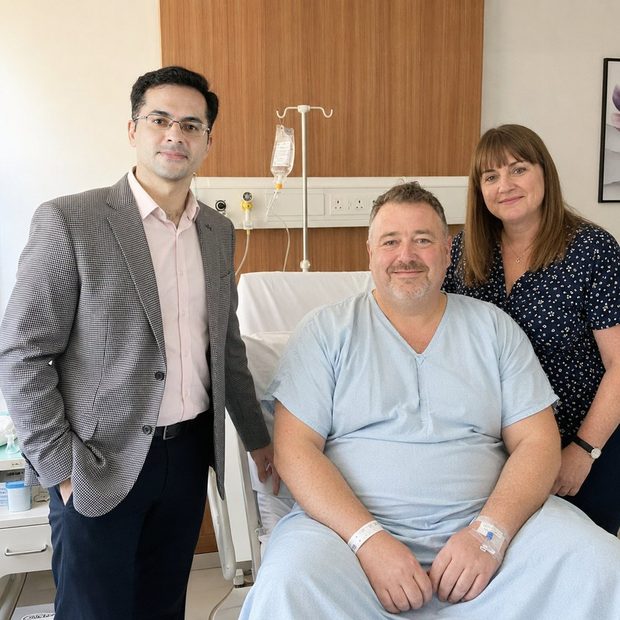
Why Patients Trust Indian Doctors
Most senior doctors in India studied for eleven to fifteen years before they were allowed to lead an operation on their own. Many of them also trained or worked in the UK, the USA, Germany or Singapore, and then came back home to practise. Because India is a large country with a lot of patients, a good surgeon here often performs in one year what a surgeon elsewhere may do in five.
That volume matters to you. It means the team has already seen your kind of case many times, including the complicated version of it, and they speak English throughout the whole journey.
Qualifications Of Indian Doctors
Indian doctors write their degrees after their name. Here is what each one actually means, so you can read a doctor profile with confidence.
| Qualification | What It Means |
|---|---|
| MBBS | Bachelor of Medicine and Bachelor of Surgery. The basic medical degree, about five and a half years including hospital internship. |
| MD | Doctor of Medicine. Three more years of training in a medical specialty such as cardiology, medicine or oncology. |
| MS | Master of Surgery. Three more years of training in a surgical specialty such as general surgery, orthopedics or ENT. |
| DM | Doctorate of Medicine, a super-specialty degree taken after MD in fields like cardiology, neurology or medical oncology. |
| MCh | Master of Chirurgiae, a super-specialty surgical degree taken after MS in fields like cardiac surgery, neurosurgery, urology or plastic surgery. |
| Fellowship | Extra focused training in India or abroad, for example in robotic surgery, liver transplant or joint replacement. |
| Board Certification | Recognition and membership from national and international medical bodies that check the doctor's standards. |
Experience And Expertise
Degrees tell you how a doctor was trained. Experience tells you how safe your surgery is likely to be. When we suggest a doctor for your case, these are the things we check first.
- Total years in clinical practice, and years in your exact specialty
- Number of procedures like yours performed every year
- Experience with complex, repeat and high-risk cases, not only simple ones
- Experience with keyhole, laparoscopic and robotic techniques
- Experience treating international patients and reading foreign reports
- Working as part of a team, so your case is discussed by several specialists together